
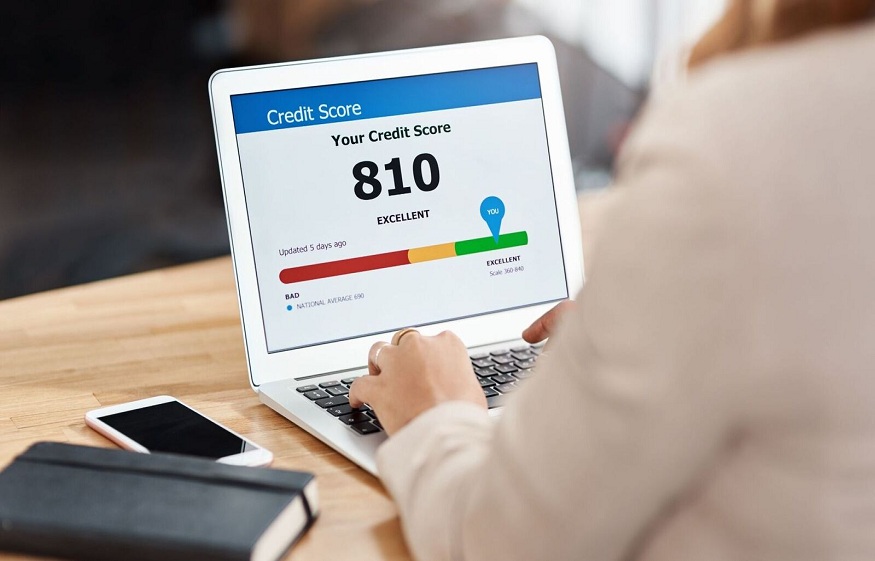
Navigating the world of personal finance often feels like learning a new language. Among the many terms you might encounter, the CIBIL score stands out as one of the most significant indicators of your financial health. It acts as a digital resume for your credit history, telling lenders whether you are a reliable borrower or a risky prospect.
Understanding how your creditworthiness is measured can be a daunting task. Many people turn to a CIBIL score calculator to get a quick estimate of where they stand. These digital tools use specific data points to simulate the complex algorithms used by credit bureaus, providing a snapshot of your current standing without the need for a formal credit report.
Understanding the Role of Credit Estimation Tools
A CIBIL score calculator is designed to provide a simplified view of a very complex mathematical process. While the official credit bureau uses hundreds of data points collected from various financial institutions, an online calculator focuses on the primary drivers of credit health. These tools are incredibly useful for individuals who want to understand how their recent financial decisions might impact their ability to borrow money in the future.
Read More:Charles Spinelli Discusses a Few Contemporary Employee Benefits Trends
The primary goal of these calculators is to offer a predictive look at your credit profile. By inputting basic information about your loans, credit cards, and payment habits, you can see a reflected score that mimics the official bureau output. This allows you to identify potential red flags before you actually apply for a major loan like a mortgage or a car loan. It is a proactive way to manage your financial reputation.
Most people use these tools when they are planning a significant life change. Whether you are looking to buy your first home or simply want to upgrade your credit card, knowing your estimated CIBIL score helps you negotiate better interest rates. Lenders often reserve their best offers for those with high scores, so using a calculator to track your progress is a smart strategic move.
The Significance of Payment History in Calculations
When you use a CIBIL score calculator, the most influential factor it considers is your payment history. This single element usually accounts for about one third of your total score. The logic is simple: if you have a history of paying your bills on time, you are likely to continue doing so in the future. Calculators look for patterns of consistency in your past behavior to determine your reliability.
Late payments or missed installments are the quickest way to see your score drop. Even a single delay of thirty days can have a noticeable impact on the estimate provided by a CIBIL score calculator. These tools weigh recent missed payments more heavily than those from several years ago. This reflects the reality that your current financial stability is more relevant to a lender than a mistake you made a decade ago.
Consistency is the key to a high score. If you have multiple credit accounts, such as a personal loan and two credit cards, the calculator evaluates how you manage all of them simultaneously. Paying one bill on time while neglecting another still signals risk. The estimation tools are programmed to reward those who maintain a clean record across all their active credit lines.
Analyzing Credit Utilization Ratios
Another critical component that a CIBIL score calculator examines is your credit utilization ratio. This is the percentage of your total available credit that you are currently using. For example, if you have a credit card with a limit of one lakh and you have a balance of thirty thousand, your utilization ratio is thirty percent. Financial experts generally recommend keeping this ratio below thirty percent to maintain a healthy CIBIL score.
High credit utilization suggests to a lender that you might be overextended or overly dependent on borrowed money. Even if you make your payments on time, consistently maxing out your credit cards can lower your score. A CIBIL score calculator will often show a lower estimate if you input high outstanding balances relative to your total limits. It interprets high usage as a sign of potential financial stress.
To improve this aspect of your score, you can either pay down your balances or request an increase in your credit limit without increasing your spending. When the gap between what you owe and what you are allowed to borrow widens, your score typically improves. Calculators are excellent for testing these scenarios, allowing you to see how much your score might rise if you cleared a specific debt.
The Impact of Credit Age and Account Diversity
The length of your credit history plays a subtle but important role in how a CIBIL score calculator estimates your standing. Lenders prefer borrowers who have a long and stable track record. An older credit account provides more data points for the algorithm to analyze, which usually leads to a more accurate and often higher score. This is why financial advisors often suggest keeping your oldest credit card accounts open, even if you do not use them frequently.
In addition to the age of your accounts, the mix of credit you hold is also factored into the calculation. There are two main types of credit: secured and unsecured. Secured credit includes things like home loans or car loans where an asset is used as collateral. Unsecured credit includes personal loans and credit cards. A healthy CIBIL score often reflects a balanced mix of both types.
A CIBIL score calculator will look at whether you can handle different types of debt responsibly. If your entire credit history consists only of credit cards, your score might not be as high as someone who has successfully managed a mix of a long term home loan and a revolving credit line. Diversity shows that you are capable of managing various financial obligations over different timeframes.
How Recent Inquiries Influence the Final Estimate
Every time you apply for a new loan or credit card, the lender performs what is known as a hard inquiry on your credit report. These inquiries are tracked and can stay on your record for a significant period. A CIBIL score calculator takes these inquiries into account because a sudden surge in credit applications can be a red flag. It might suggest that you are in a desperate financial situation or are taking on more debt than you can handle.
It is important to distinguish between hard inquiries and soft inquiries. A soft inquiry happens when you check your own score or when a lender checks your score for a pre-approved offer. These do not affect your CIBIL score. However, multiple hard inquiries within a short window can cause a temporary dip in your score. Estimation tools help you understand this impact so you can space out your applications.
When using a CIBIL score calculator, you might notice that your score stays stable even if you check it every day. This is because checking your own estimate is a healthy financial habit and is never penalized. The goal is to be mindful of how often you officially ask for new credit, as each application carries a small weight in the overall mathematical model of your creditworthiness.
The Long Term Value of Credit Awareness
Maintaining a high CIBIL score is not just about getting a loan today; it is about securing your financial future. A strong credit profile opens doors to lower interest rates, higher credit limits, and even better insurance premiums in some cases. It gives you the leverage to negotiate with banks and financial institutions, ensuring that you always get the most favorable terms possible.
Using a CIBIL score calculator regularly fosters a sense of financial discipline. It encourages you to look at your finances through the eyes of a lender, which can change how you approach spending and debt. When you understand the mechanics of creditworthiness, you are less likely to make impulsive decisions that could haunt your financial record for years.
In conclusion, these estimation tools are essential for anyone looking to take control of their financial destiny. By understanding how payment history, utilization, credit age, and inquiries work together, you can navigate the lending landscape with confidence. Your CIBIL score is a reflection of your financial journey, and with the right tools and habits, you can ensure that it always tells a positive story.